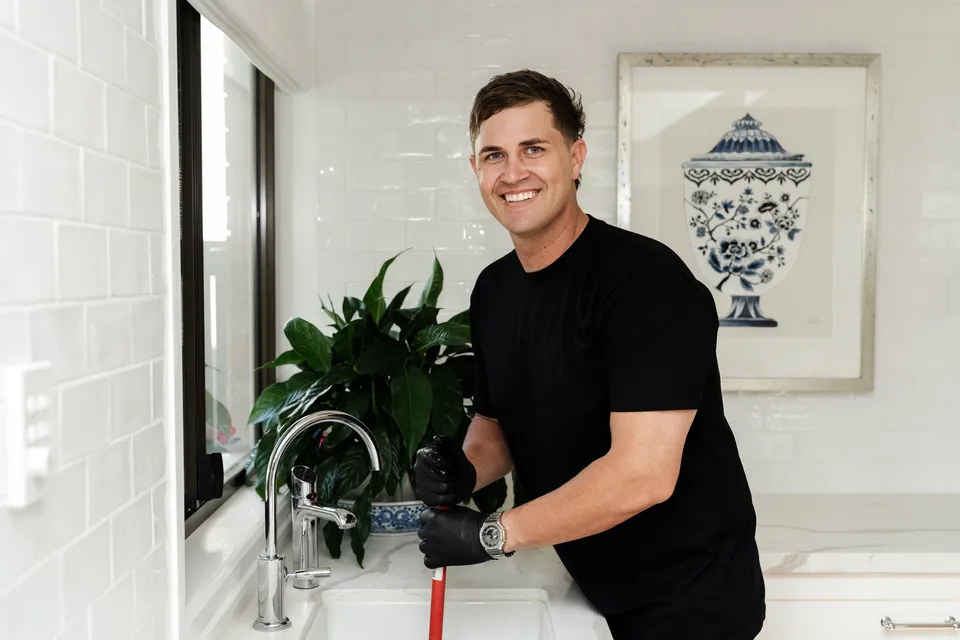
Tap Repairs
Drips, stiff handles and dead cartridges, on garden taps too:
A leaking tap or a cistern that keeps refilling fills most of a week's work here. Tap and toilet repairs in Enoggera are usually small, honest jobs: a washer here, a ceramic disc cartridge there, an inlet valve that has finally given up. Every job is done by a licensed plumber, and you get a fixed quote before any work starts.
If we're late, $100 comes off your bill
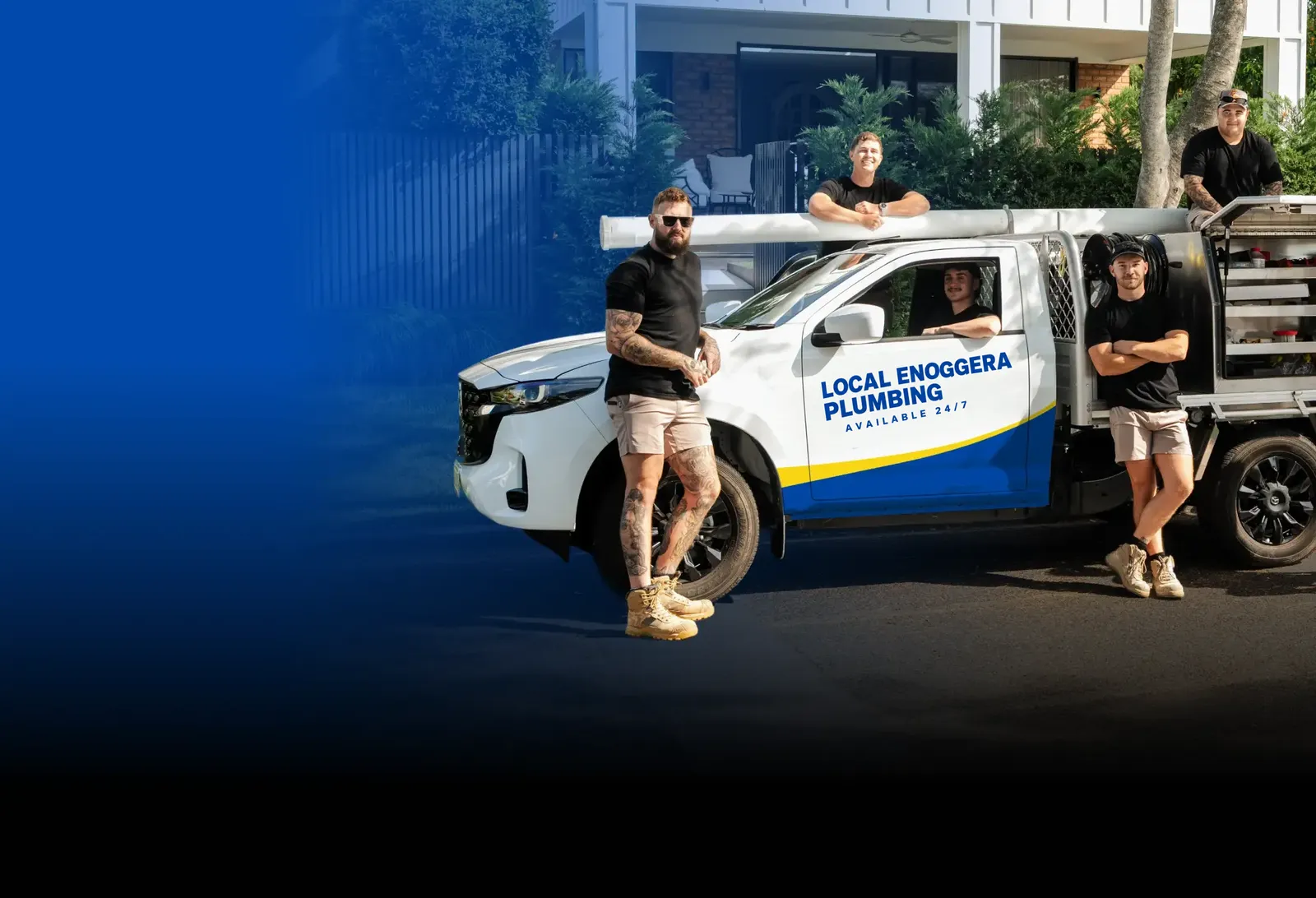
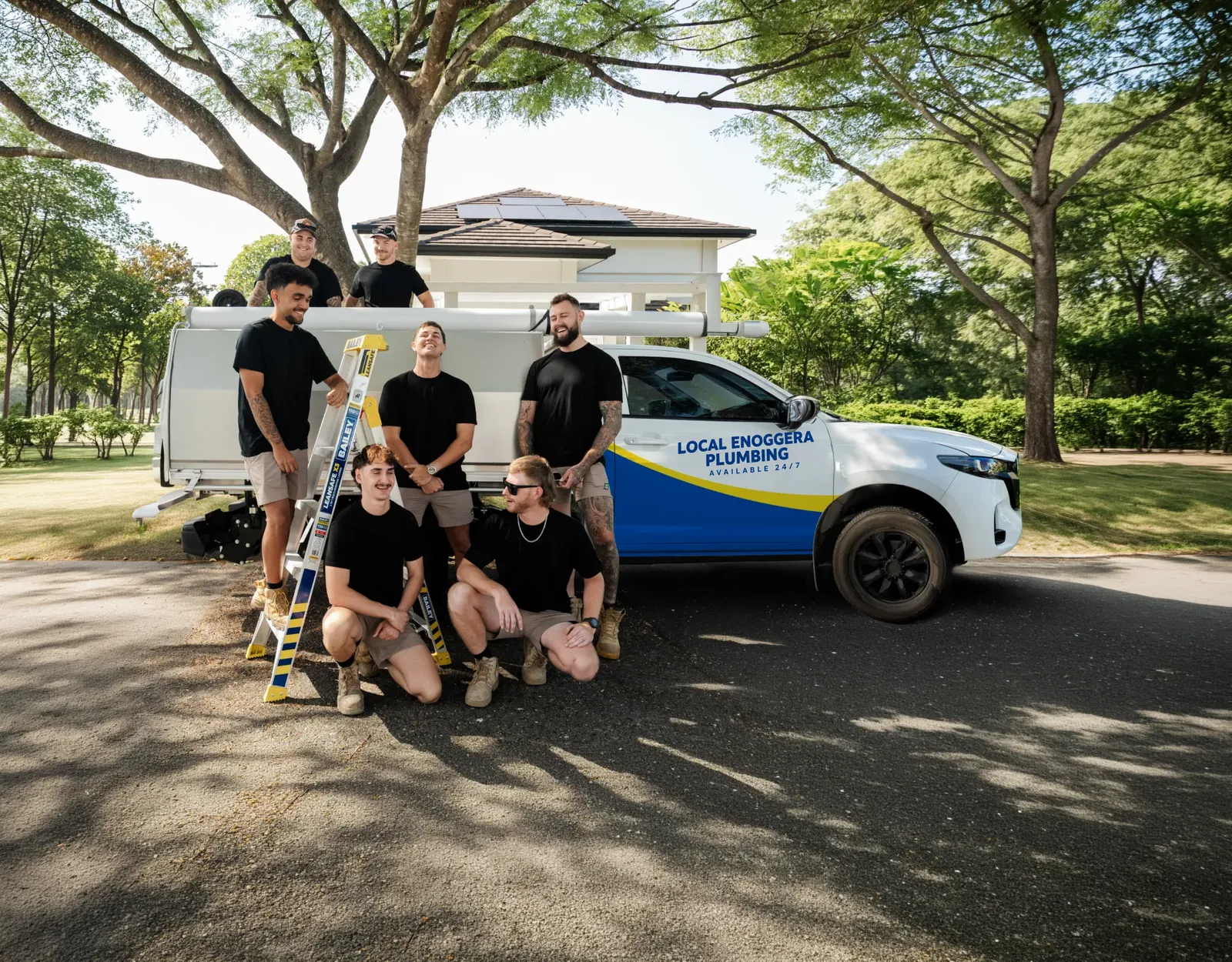
Housing runs from pre-1940 weatherboard to brick-veneer infill from the 2000s, with unit blocks near the railway station. At the last census, 23.1 per cent of homes in Enoggera were flats or apartments, and an upstairs mixer fails differently to a garden tap on stumps.
This page covers where a repair ends and a replacement starts, where the law draws its lines, and what rentals require. For the full picture of what we do, start with our Enoggera plumbing page.

Nearly every drip, endless run or slow refill comes down to a worn washer, cartridge or valve; replacing starts when the fixture itself cracks. The parts cost little, and a sound fixture usually deserves one more chance.
The usual repairs break down like this:
a new washer, or a valve seat dressed smooth again.
a fresh ceramic disc cartridge.
a new inlet valve and outlet washer, in most cases.
A 1940s cottage on Trundle Street can wear tap seats too far gone for any washer. That is where we stop and talk replacement, because a repair on a ruined seat does not hold.
Cracks end the discussion. Split porcelain in a cistern or pan, or a fractured tap body, means the fixture has failed, and no washer mends that. A fixture on its third repair in two years can also cost less over time to replace than to keep fixing, and we judge each one on its own record.
Water Efficiency Labelling and Standards (WELS) is the national scheme that grades taps, toilets and cisterns in stars and litres. Any product sold or installed in Australia carries its registration and label.
WaterMark certification sits alongside it, and a licensed plumber can only legally install a product that holds that certification as well.
Rentals matter most here. The suburb mixes houses with unit blocks, tenancies turn over, and make-good work fills the gaps between them. Owners who want to pass the whole water bill to a tenant have to hit set figures first:
a flow of 9 litres per minute at most.
6.5 litres or less on a full flush, 3.5 on a half.
bath taps, garden taps, and taps serving a washing machine or dishwasher.
New houses and townhouses carry their own minimums: a dual flush toilet of at least 4 stars, and taps and showerheads of at least 3. Renovations are excluded, so a character bathroom can keep what it has.
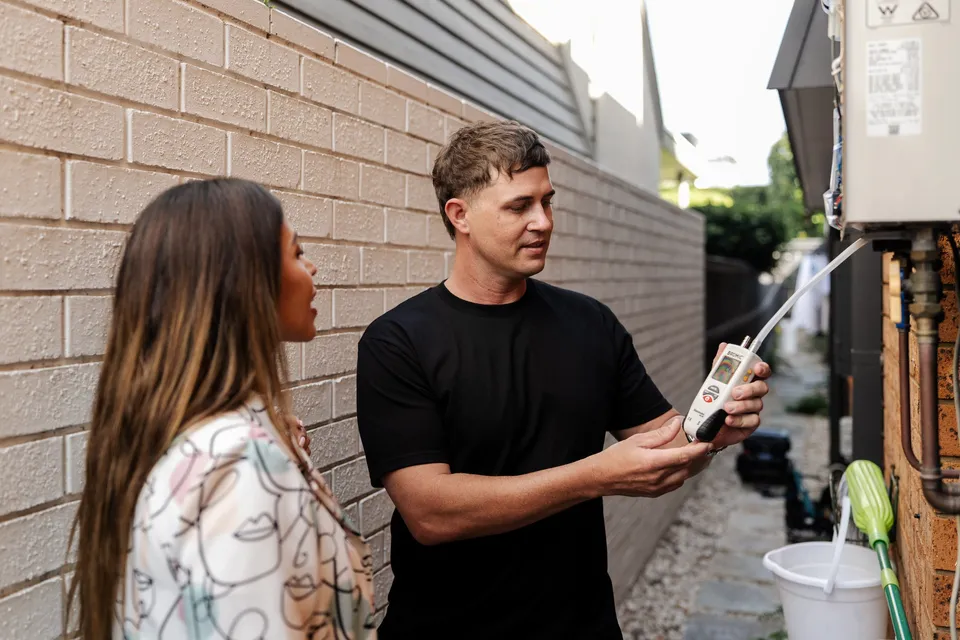
No, the concealed leak adjustment from Urban Utilities does not extend to water lost through leaking taps or running cisterns, and the loss sits with the property owner. That adjustment exists for hidden bursts below ground, not for fittings dripping in plain sight.
Urban Utilities maintains the water main out in the street and the meter itself. The pipes on the house side of that meter belong to the owner, and a slow drip wastes thousands of litres as the months pass, with every litre running through the owner's meter.
Rentals feel this fastest. A running cistern in a tenanted place shows on the owner's bills, and the tenant should report it promptly, because a toilet that blocks or breaks is on Queensland's emergency repairs list.
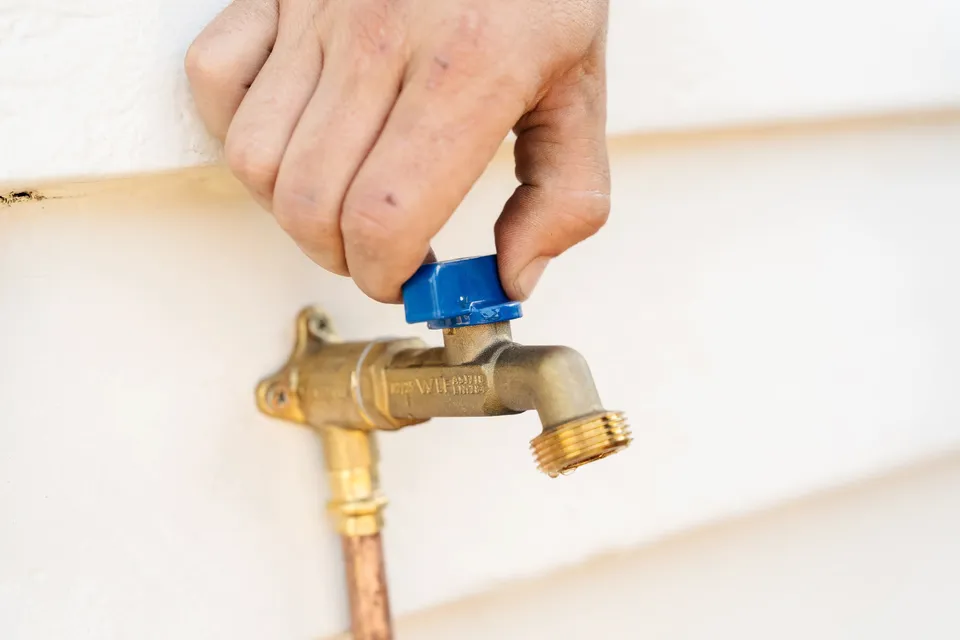
Queensland leaves only a short list of tap and toilet jobs to unlicensed hands: everything else needs a licensed plumber. The QBCC's unregulated list covers a tap's jumper valve or washer. Inside a cistern, it also covers the drop valve washer, the float valve washer and the suction cup rubber.
A capable person can do that work without a licence, approval or a report, and the result still has to satisfy the standards in the plumbing codes. Past that list, the work splits into two categories:
licensed work, nothing more.
minor work for a QBCC licensee; neither a permit nor a Form 4 follows.
notifiable work. No council permit is needed, and the plumber files a Form 4 with the QBCC inside 10 business days of finishing.
Plenty of households hold their own keys: at the last census, 20.1 per cent of homes were owned outright and 32.5 per cent carried a mortgage. Ownership does not widen the DIY list, and a missing Form 4 is worth reporting to the QBCC.
The fixtures below are the ones every household touches from breakfast to lights-out, and each has its own page of detail:
Drips, stiff handles and dead cartridges, on garden taps too:
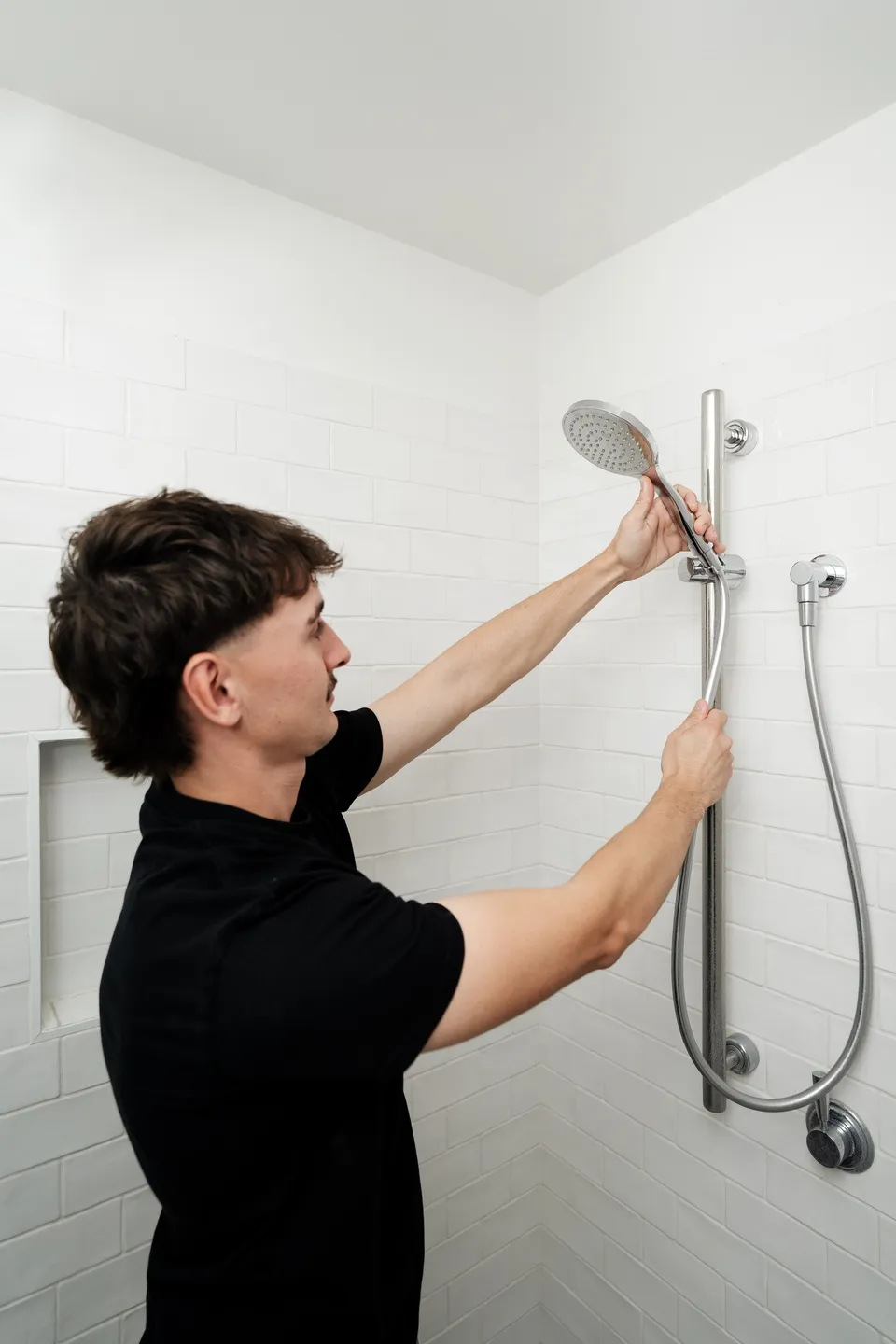
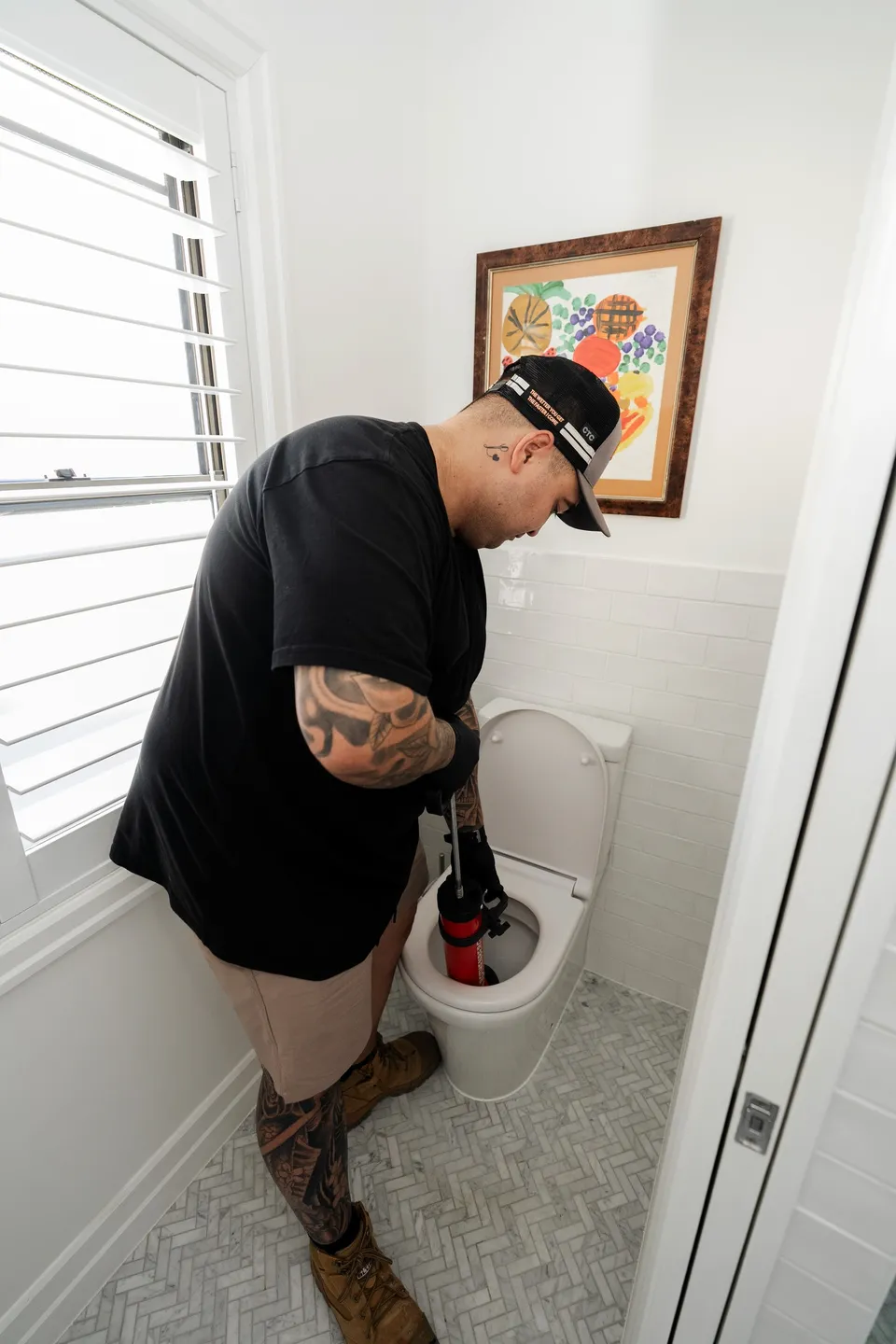
Cisterns that run, pans that rock and flushes that die halfway:
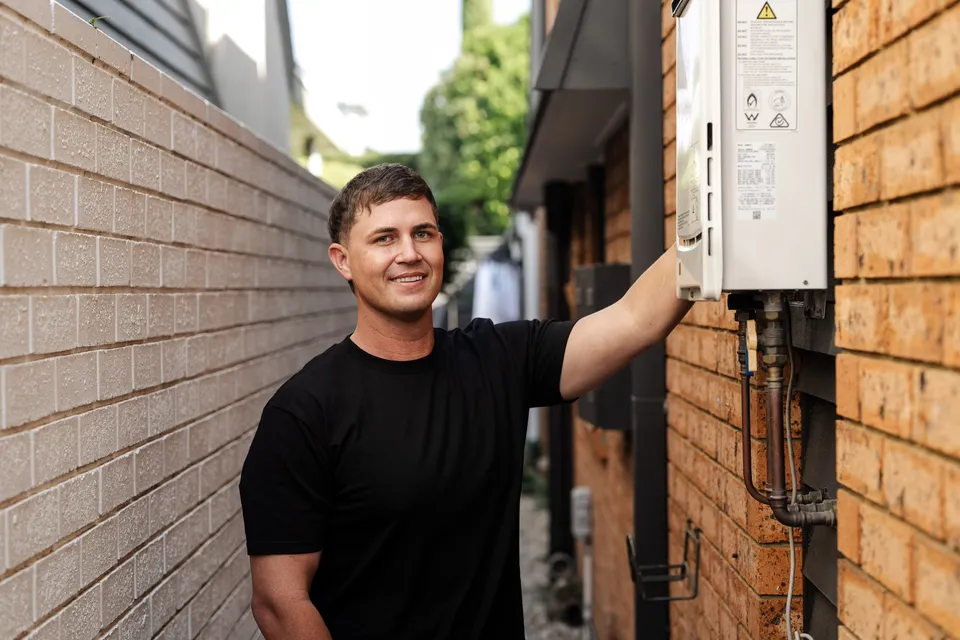
Hose taps and wall bibs that weep into the footing:
Garden taps cop sun, storm cells and the mower, and a wall bib that weeps can stain a rendered edge within a season. Indoor jobs run from one washer to a full fixture swap, priced flat before we start.
$0 call-out fees, available 24/7, and same-day where we can.

Call (07) 3524 0766 or send the form with a few details about the problem in Enoggera. A clear description helps us bring the right parts.
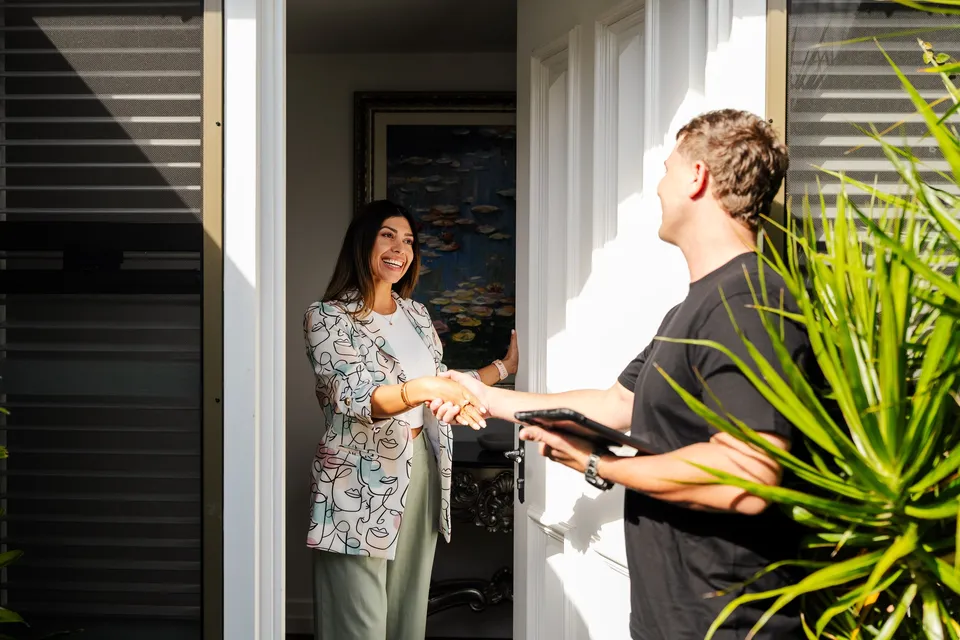
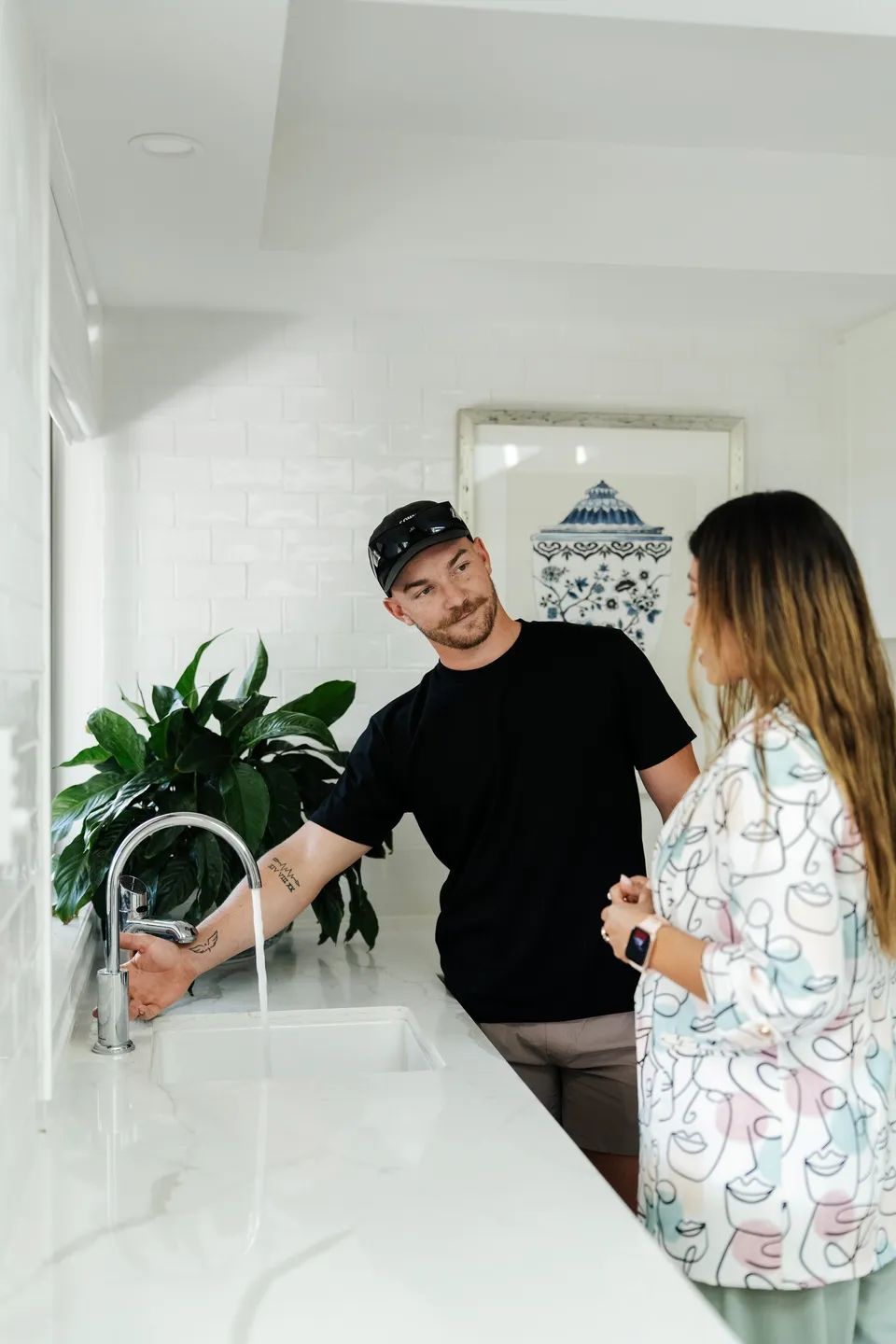
Your plumber follows the drip to its source and checks the seat and the supply line behind the fixture. From there we say plainly whether a repair will hold, or the fixture is at the end of its life.
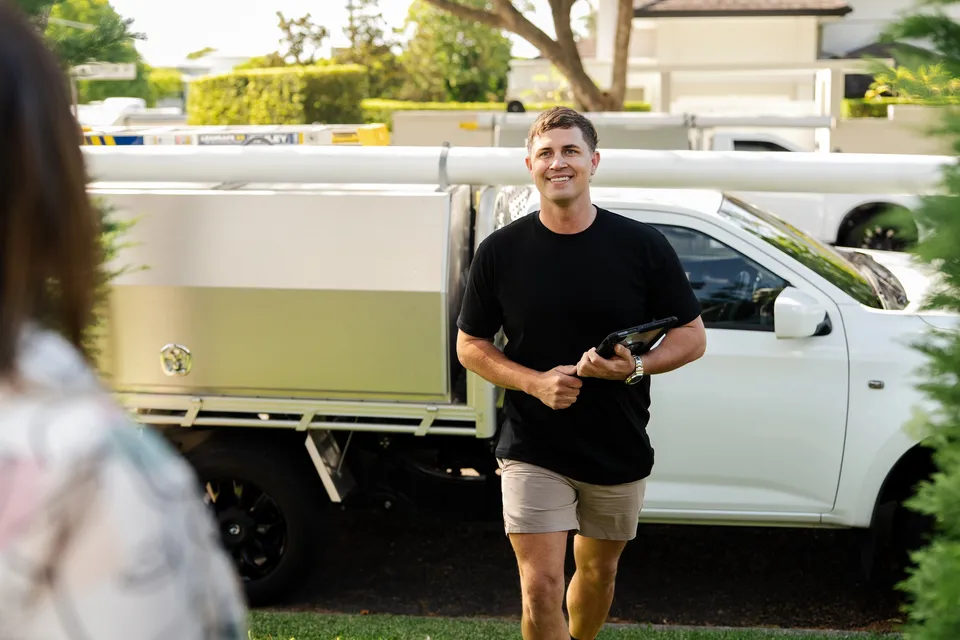
You get a fixed quote before any work starts, with flat-rate pricing and no hidden fees. Nothing goes ahead until you say yes.
Pay by card or EFTPOS on site once the job's done, or ask about Fix now, pay later.
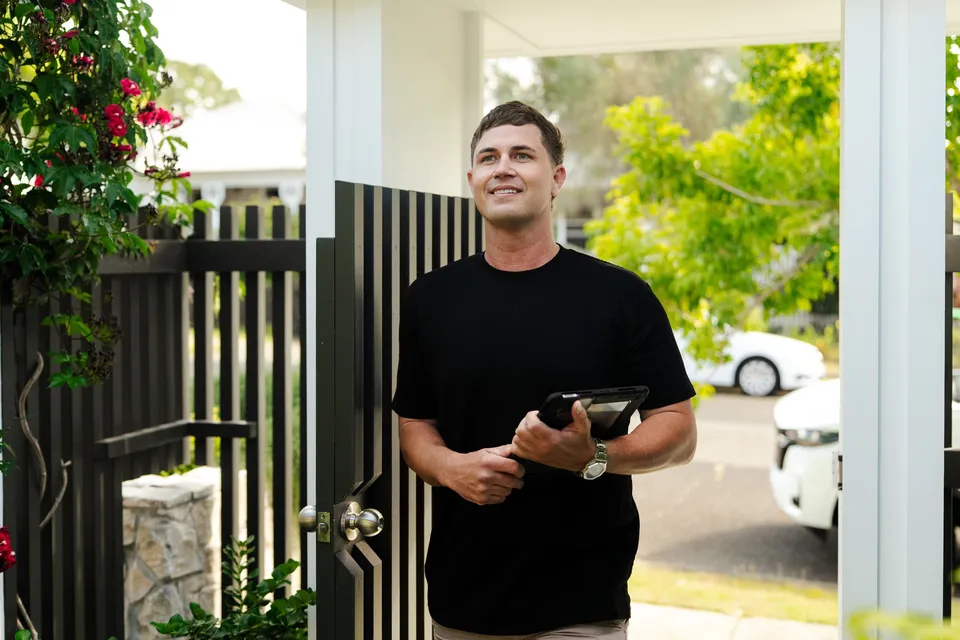
Calls in Enoggera come with $0 call-out fees, and there's no added charge for nights, weekends or public holidays.
Flat-rate pricing with no hidden fees, set out in a fixed quote before any work starts.
Our labour carries a lifetime labour warranty, our Fix-It-or-It's-Free guarantee backs it (T&Cs apply), and if we're late, $100 comes off your bill.
We work under QBCC No: 15024607, licensed and insured, and every job is done by a licensed plumber.
No, not usually. A drip or a cistern that runs can wait for a booked visit, though both waste water until they are fixed. Water that will not stop is urgent: shut it off at the isolation valve or the water meter, then ring (07) 3524 0766 straight away.
Yes, for a few small parts. Queensland leaves a tap's jumper valve or washer, plus a cistern's drop valve washer, float valve washer and suction cup rubber, to unlicensed hands. The finished work still has to satisfy the standards, and swapping the tap or toilet itself is licensed work.
Yes, swapping a tap is licensed work in Queensland. Putting in a new toilet counts as notifiable work, and the plumber files a Form 4 with the QBCC within 10 business days of finishing.
Yes, before an owner can pass the full water bill to a tenant, the fixtures have to meet set figures. Indoor cold taps and single mixers must run at no more than 9 litres per minute, and a dual flush toilet at 6.5 litres full flush and 3.5 half.
The mains and the meter belong to Urban Utilities. Every pipe and fitting on the house side of that meter is the property owner's, so leaks there are yours to fix.
Yes. Calls in Enoggera come with $0 call-out fees, and there's no extra charge for nights, weekends or public holidays.
Call (07) 3524 0766 to book a plumber in Enoggera. We're available 24/7, with $0 call-out fees, flat-rate pricing and same-day where we can.
Current offers:
T&Cs apply. Mention this offer when booking.
To claim your $0 call-out fee, call (07) 3524 0766 today.